The Critical Shift: From Prompt Tuning to Context Engineering
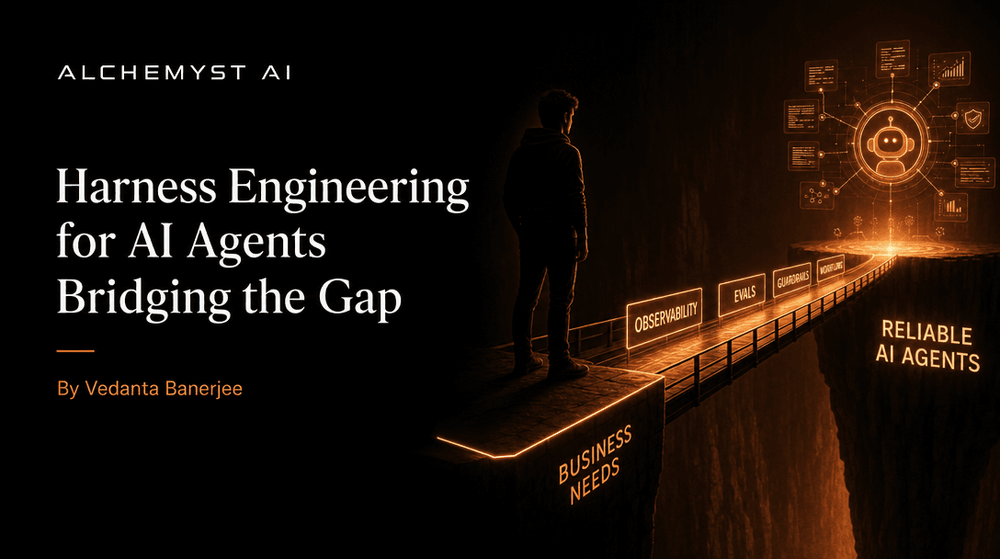
In the rapidly evolving landscape of artificial intelligence, many enterprise teams find themselves stuck in what industry experts call the demo-to-production gap. Building a localized, proof-of-concept AI agent is relatively straightforward. You can write a robust system prompt, attach a few static documents, and showcase a brilliant demo. However, scaling that exact same system to handle thousands of concurrent enterprise users, complex multi-turn conversations, real-time voice interactions, and vast arrays of dynamic data requires a fundamental shift in strategy. This is where a definitive context engineering roadmap becomes absolutely essential.
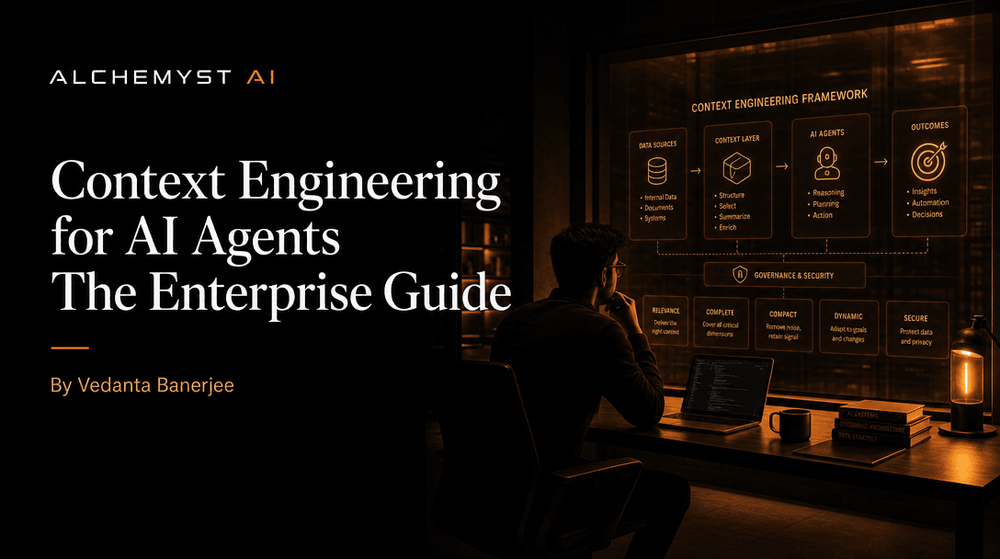
Context engineering is the systematic, architectural practice of managing, retrieving, and retaining the right information at the exact right time for Large Language Models (LLMs). While prompt engineering focuses on how you ask the model to behave, context engineering focuses on the informational ecosystem that feeds the model. Without a highly optimized context architecture, enterprise AI agents suffer from severe latency issues, overwhelming context window costs, and dangerous hallucinations. To build reliable Go-To-Market (GTM) and sales automation tools, organizations must mature beyond simple prompt tweaking and adopt rigorous context infrastructure.
Understanding the Demo-to-Production Gap in AI Infrastructure
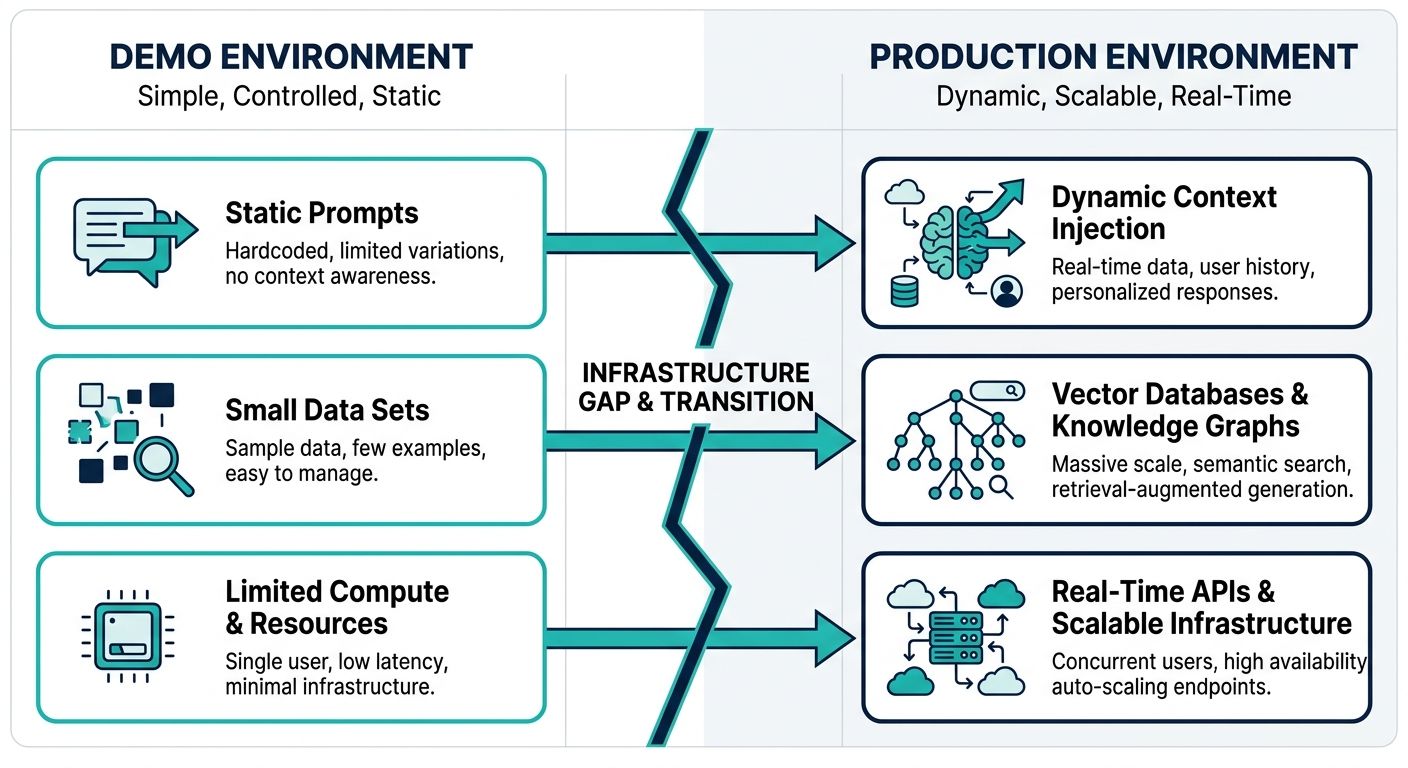
The journey from a local prototype to a production-grade enterprise application reveals the profound limitations of static context windows. When AI models operate in production, they must interpret historical data, user preferences, real-time CRM updates, and immediate conversational cues. Most organizations fail to launch their AI initiatives successfully because they attempt to stuff every piece of potentially relevant data into a single API call.
This brute-force approach leads to several critical failures in production environments. First, it maximizes API costs by consuming massive token counts on every single turn of a conversation. Second, it drastically degrades performance, as models struggle to extract the proverbial needle from a massive haystack of irrelevant data—a phenomenon known as the "lost in the middle" problem. Finally, in specialized applications like voice AI agents, massive context payloads introduce unacceptable latency. Real-time voice interactions require sub-second response times, meaning context must be retrieved, filtered, and injected with surgical precision.
The Ultimate Enterprise Context Engineering Roadmap
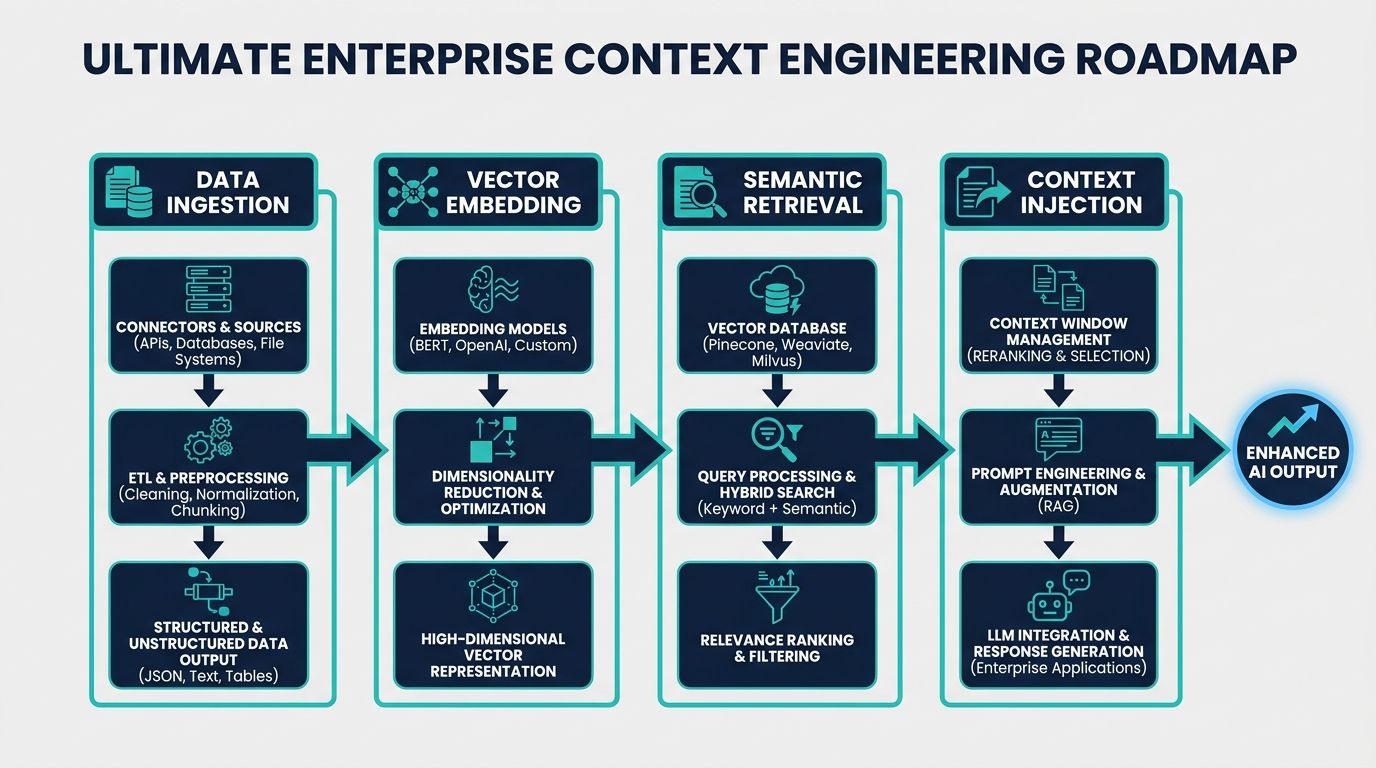
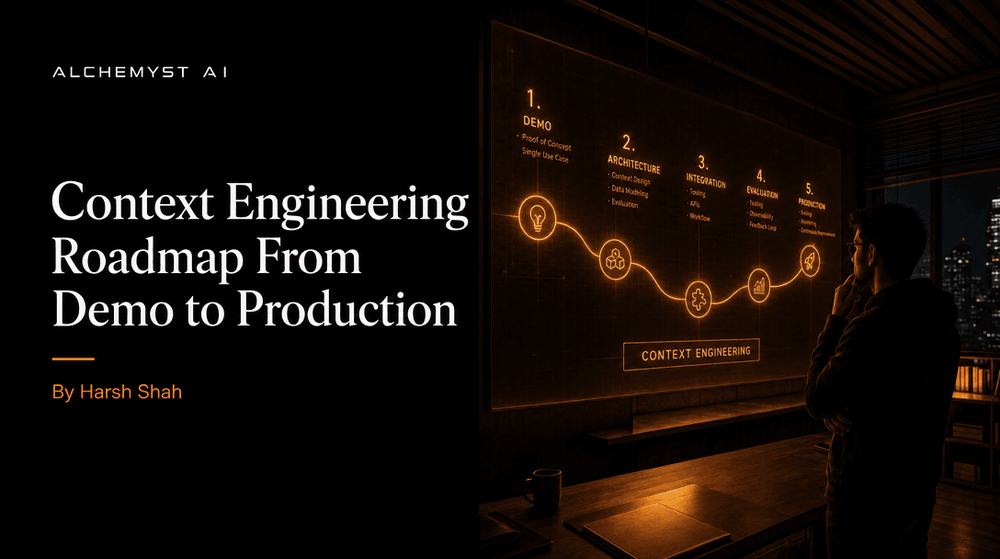
To successfully navigate the complexities of enterprise AI, engineering teams must adopt a structured, phased approach to context management. This context engineering roadmap outlines the technical milestones necessary to build scalable, context-aware AI agents for complex business operations.
Phase 1: Architecting the Foundational Information Retrieval Pipeline
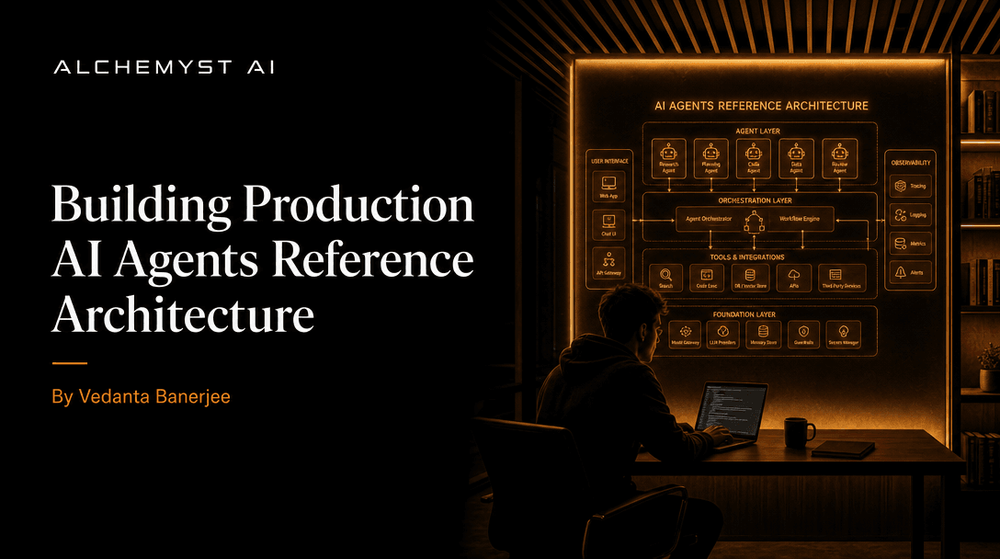
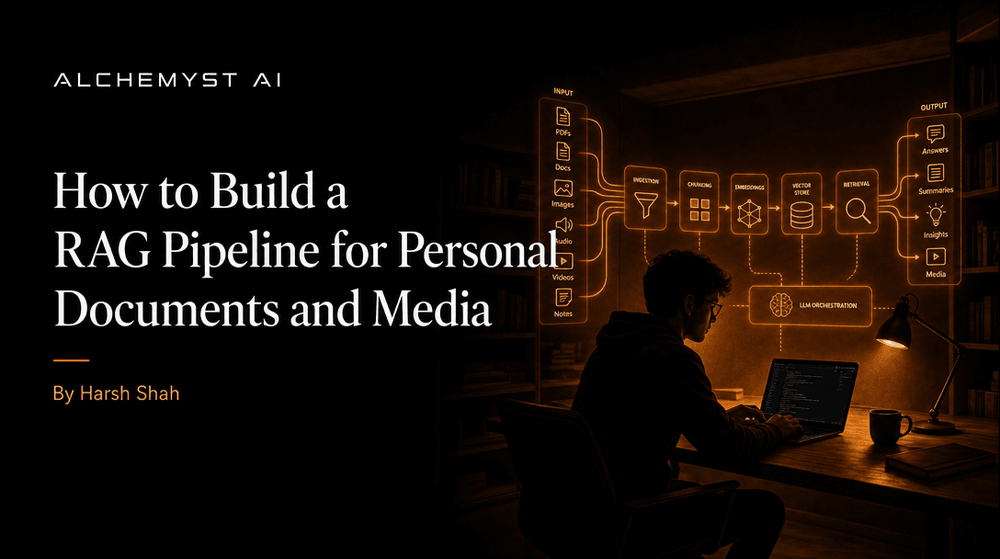
The first phase of the context engineering roadmap focuses on data ingestion and retrieval. Before an AI agent can utilize context, the underlying system must be able to securely and efficiently fetch relevant data. This is typically achieved through Retrieval-Augmented Generation (RAG) pipelines, but enterprise production requires a significantly more robust setup than a basic vector database implementation.
- Multi-Modal Data Ingestion: Production AI agents must process disparate data types. For GTM and sales automation platforms, this means parsing call transcripts, PDF contracts, audio recordings, and CRM metadata. Implementing multi-modal processing ensures no vital context is left behind.
- Advanced Chunking Strategies: Simply splitting documents by paragraph is insufficient. Context engineering requires semantic chunking, where data is segmented based on logical meaning rather than arbitrary character counts. This preserves the semantic integrity of the information when it is converted into vector embeddings.
- Hybrid Search Methodologies: Vector embeddings are excellent for conceptual matching, but they often fail at exact keyword retrieval (e.g., finding a specific product SKUs or an exact client name). A production-ready pipeline must utilize hybrid search, combining dense vector retrieval with sparse keyword search (like BM25) to guarantee both semantic relevance and exact precision.
Phase 2: Implementing Context Arithmetic and Dynamic Filtering
Once data can be retrieved, the next step is determining what information actually matters for the current interaction. This is the core of context engineering: making mathematical and systematic determinations about relevance. We refer to this sophisticated process as context arithmetic.
Context arithmetic involves assigning weights and scores to various pieces of retrieved data based on multiple dimensions. An optimal system evaluates data based on recency (is this the newest contract?), relevance (does this answer the user's specific query?), and personalization (does this align with the specific user's historical preferences?). By dynamically filtering out low-scoring context, the system ensures the LLM is only fed high-signal, low-noise data, dramatically reducing token usage and latency.
Platform Spotlight: To solve these specific architectural challenges, Alchemyst AI utilizes its proprietary Kathan engine to perform advanced context arithmetic. Through a rigorous five-stage pipeline optimized specifically for voice agents, the platform systematically evaluates and retrieves highly relevant information. This AI-native context management enables seamless AI summarization, the deployment of custom AI models, and robust, enterprise-grade capabilities for Go-To-Market teams.
Phase 3: Building a Persistent Memory Infrastructure
Context is not just about retrieving external documents; it is also about remembering the user. Phase three of the context engineering roadmap tackles the complex challenge of statefulness and memory retention across distinct sessions and agents.
Standard LLM interactions are inherently stateless. A true enterprise AI agent requires a persistent memory layer that can retain conversational history, user preferences, and situational awareness over days, weeks, or months. This requires designing a multi-tiered memory architecture:
- Short-Term Memory (Session Context): Storing the immediate turns of the current conversation to maintain conversational flow and handle follow-up questions accurately.
- Long-Term Memory (Persistent Context): Extracting key facts, user preferences, and historical decisions from conversations and storing them in a dedicated knowledge graph or secondary vector store. This allows an agent to "remember" a client's specific business constraints from a meeting that happened three months ago.
- Memory Compression: Over time, persistent memory grows unwieldy. Context engineering requires automated memory compression techniques—using secondary AI models to summarize and condense historical logs into dense, high-impact insight files that are cheaper and faster to inject into future prompts.
Phase 4: Optimizing Architecture for Voice AI and Low Latency
One of the most significant gaps in standard AI architectures is the failure to account for the unique constraints of voice AI. When building conversational sales agents or customer service voicebots, context engineering must be fiercely optimized for latency. If a context retrieval pipeline takes three seconds to execute, the human user will experience an awkward silence, leading to a degraded user experience and poor conversation flow.
Integrating Speech-to-Text (STT) and Text-to-Speech (TTS) introduces significant latency and error margins into the architecture. Context engineering must compensate for STT inaccuracies. For instance, if an STT engine mishears an industry-specific acronym, the context retrieval system should utilize phonetic matching and domain-specific knowledge bases to infer the correct intent and pull the appropriate context regardless of the transcription error.
To achieve real-time latency, enterprise architectures must pre-compute context wherever possible. By utilizing predictive context caching, systems can anticipate the flow of a GTM sales call and load relevant pricing structures or competitor battlecards into rapid-access memory before the user even finishes their sentence.
Phase 5: Enterprise MLOps, Security, and Observability
The final phase of the context engineering roadmap transitions the architecture from a functional state into a secure, monitored, enterprise-compliant system. Managing context at scale requires sophisticated MLOps tooling tailored specifically for LLM pipelines.
Security and data privacy are paramount, especially when handling proprietary sales data or sensitive customer information. Robust context management systems must implement granular Access Control Lists (ACLs) directly within the retrieval pipeline. If a specific user does not have permission to view a particular enterprise contract, the context retrieval system must silently filter those vector embeddings out of the search results, ensuring the LLM cannot inadvertently leak restricted data.
Furthermore, continuous observability is vital. Engineering teams must monitor the relevance of the retrieved context using automated evaluation metrics (such as RAGAS). By continuously logging which chunks of context lead to successful AI resolutions and which lead to hallucinations, teams can iterate on their chunking, embedding, and context arithmetic strategies in real-time.
Overcoming the Technical Bottlenecks of Context Management
As you deploy this roadmap across your organization, your engineering teams will inevitably encounter specific technical bottlenecks. One of the most prevalent challenges is managing the financial cost associated with large-scale vector operations and massive LLM context windows. While models with million-token context windows now exist, utilizing them carelessly is financially ruinous for high-volume enterprise applications.
To overcome this, organizations must embrace the philosophy of context minimization. The goal of superior context engineering is not to provide the model with the maximum amount of information, but the minimum amount of information required to generate a perfectly accurate response. This lean approach not only slashes API billing but fundamentally improves the reasoning capabilities of the underlying models by stripping away distracting information.
Another significant bottleneck involves integrating legacy enterprise data systems. Most traditional CRMs and ERPs are deeply unstructured and not designed for semantic AI retrieval. Bridging this gap requires writing specialized middleware that continuously polls legacy systems, cleanses the data, generates embeddings, and synchronizes the contextual state without causing system-wide performance degradation.
Mastering Context for Go-To-Market Automation
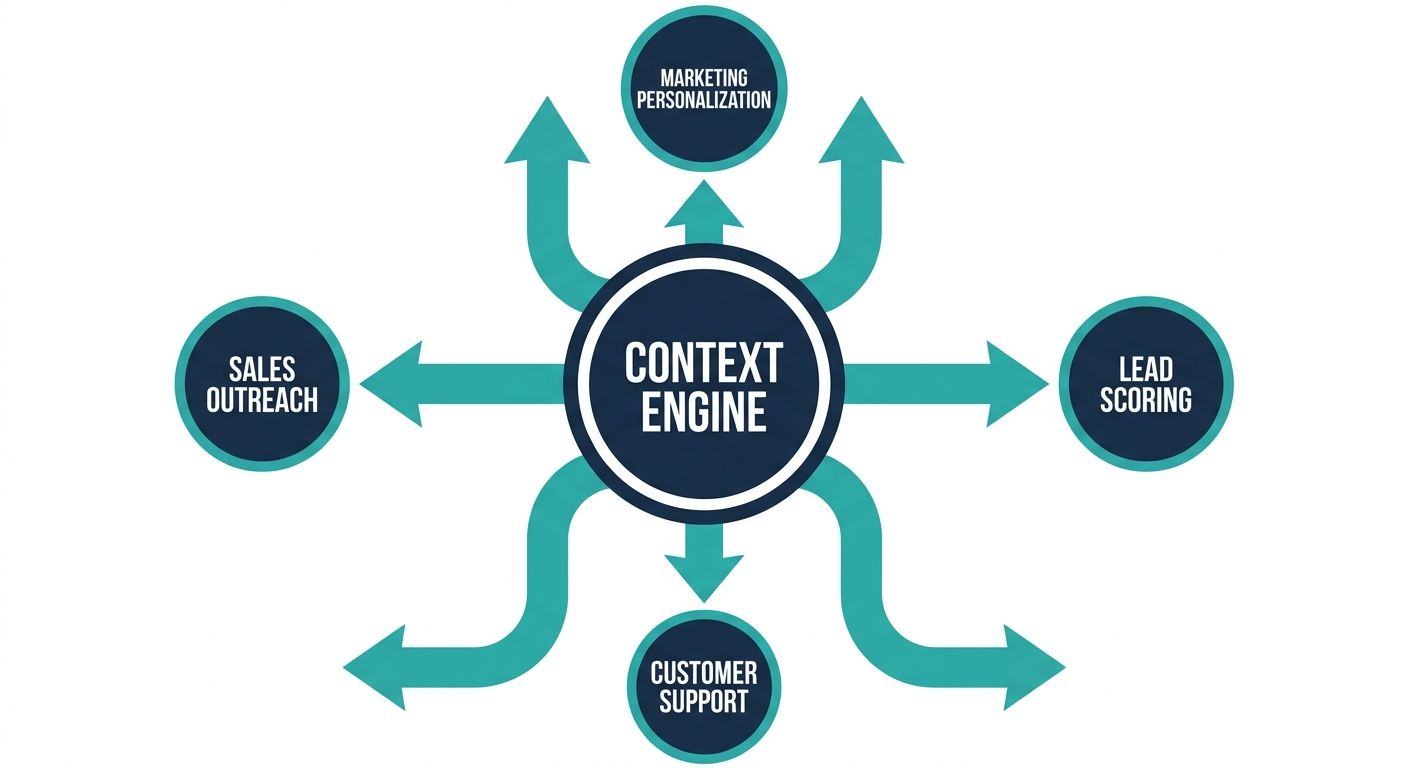
For revenue organizations, mastering this context engineering roadmap directly translates into competitive advantage. In the realm of Go-To-Market strategy and sales automation, context is the ultimate currency. An AI agent lacking context is merely a generic chatbot; an AI agent armed with rich, localized, historical context becomes a high-performing autonomous sales engineer.
When an AI agent understands the complete context of a deal—including past email threads, voice call transcripts, specific client objections, and current pipeline stages—it can generate hyper-personalized outreach, automatically draft highly accurate meeting summaries, and execute complex task automation without human supervision. This is the promise of AI-driven efficiency, transforming bloated revenue operations into lean, high-growth engines. By following a rigorous roadmap that prioritizes context arithmetic, persistent memory, and low-latency voice architecture, modern enterprises can finally bridge the gap between experimental AI prototypes and transformative production systems.
Ready to bridge the gap between experimental AI and enterprise-grade production? Master your context management and deploy autonomous Go-To-Market agents that truly understand your business data.
Learn more about Alchemyst AI